Monday, January 6, 2025

Independent Sherpa Guide in Nepal

Sherpa Independent Trekking Guide in Nepal

Nepal, with its breathtaking landscapes and majestic Himalayan peaks, is a top destination for trekkers around the world. While many opt for guided trekking tours, an increasing number of adventurers are choosing independent trekking to enjoy a more personalized and flexible experience. If you're thinking about trekking in Nepal independently, here's a comprehensive guide to help you navigate the process and make the most out of your journey.

1. Why Choose an Independent Trek in Nepal?

Independent trekking in Nepal offers the freedom to explore at your own pace without the constraints of a group schedule. You can:

  • Set your own pace and itinerary.
  • Change plans as you go based on weather or personal preference.
  • Enjoy the peace of trekking without a crowd.
  • Save money by not paying for guided tours and group packages.

2. The Sherpa Advantage

Sherpas are known for their hospitality, knowledge, and experience of the Himalayan terrain. While traditionally employed as guides for trekking groups, many Sherpas are now offering services for independent trekkers. Choosing a Sherpa to accompany you provides valuable insight into the region's culture, history, and the most effective trekking routes. Hiring a Sherpa doesn’t only help you navigate, but also contributes to the local economy, making your trek even more rewarding.

3. Planning Your Trek

Before you head off on your adventure, consider the following:

  • Choose Your Route: Nepal offers numerous trekking routes for all levels of hikers. Popular options for independent trekkers include the Everest Base Camp Trek, Annapurna Circuit, and Langtang Valley Trek. Research the difficulty level, altitude, and trail conditions of your chosen trek.

  • Permits and Documentation: Independent trekkers must secure the necessary permits such as the TIMS (Trekkers’ Information Management System) card and national park permits (e.g., Annapurna Conservation Area or Sagarmatha National Park). These are essential for your safety and to support local conservation efforts.

  • Accommodations: The tea house culture in Nepal makes it easier for independent trekkers to find accommodation along most trekking routes. These small lodges offer basic but comfortable amenities, providing food and shelter.

  • Packing: Pack light and smart for your trek. Essentials include a good pair of trekking boots, sleeping bag, rain gear, water bottles, a first aid kit, and a portable charger. It's advisable to leave extra valuables at your hotel in Kathmandu or Pokhara.

4. Sherpa Independent Trekking Guides

While trekking independently, it can be helpful to hire a Sherpa as a guide to enhance your experience. Sherpas offer several key advantages:

  • Local Knowledge: Sherpas have an intimate understanding of the region, from the best trekking routes to the weather conditions. They are trained in mountain safety, first aid, and can provide insight into the cultural heritage of the places you visit.

  • Cultural Experience: Many Sherpas belong to the communities along the trekking routes and can offer deeper cultural understanding, making your trip more immersive.

  • Support and Safety: In case of an emergency, having a Sherpa with local knowledge can be a lifesaver. They can also help with carrying loads, ensuring your safety, and assisting with altitude sickness.

  • Flexibility: Hiring a Sherpa for an independent trek allows for more flexibility. You can work out your itinerary based on personal preferences, whether you need additional rest days or wish to explore less-traveled routes.

Sunday, June 9, 2024

Guide Nepal

 
Trekking Sherpa guides, like their counterparts who focus on mountaineering, are experienced and knowledgeable individuals from the Sherpa community in the Himalayas, primarily in Nepal. However, their primary focus is on leading trekkers through the stunning trails and landscapes of the region, rather than guiding climbers to the summits of high peaks. 
 
Here's more information about Trekking 
 
Sherpa guides: Trekking Expertise: Trekking Sherpa guides have a deep understanding of the trekking routes, terrain, and culture of the Himalayan region. They are well-versed in the various trekking destinations, from the popular routes like the Everest Base Camp trek to less-visited areas. 
 
Route Planning: They plan trekking itineraries, taking into account factors such as acclimatization, the physical abilities of the trekkers, and the weather conditions. They make sure that trekkers have a safe and enjoyable experience. 
 
Navigation: Trekking Sherpa guides are responsible for leading trekkers along the trails, ensuring they stay on the right path. They are skilled at reading maps and using landmarks to navigate in the often remote and rugged terrain. 
 
Cultural Insights: They provide valuable insights into the local culture, traditions, and customs of the Himalayan communities, making the trek a more immersive experience for trekkers. 
 
Logistics: Just like mountaineering Sherpas, trekking Sherpa guides handle logistics such as arranging accommodations, meals, and transportation during the trek. 
 
Safety: They are trained in first aid and emergency response, ensuring the safety of trekkers in case of injuries or altitude-related issues. Language Skills: Many trekking Sherpa guides are fluent in English, which is beneficial for communication with international trekkers. 
 
Cultural Exchange: Trekking with a Sherpa guide offers trekkers the opportunity to learn about the Sherpa way of life and gain a deeper understanding of the Himalayan culture. 
 
Trekking in the Himalayas with a Sherpa guide can enhance your trekking experience by providing you with local insights, ensuring your safety, and helping you appreciate the natural and cultural beauty of the region. Whether you're a novice trekker or an experienced one, having a Trekking Sherpa guide can make your journey in the Himalayas more enjoyable and rewarding.

Monday, May 20, 2024

Mera Peak climbing

Mera Peak is one of the most popular trekking peaks in Nepal, offering a mix of adventure, stunning scenery, and cultural experiences. Located in the Everest region, Mera Peak stands at an altitude of 6,476 meters (21,247 feet), making it the highest trekking peak in Nepal. Here's a detailed guide to Mera Peak climbing:

Overview

  • Location: Hinku Valley, Everest Region, Nepal
  • Height: 6,476 meters (21,247 feet)
  • Difficulty: Moderate to challenging
  • Best Season: Spring (April-May) and Autumn (September-November)
  • Duration: Typically 18-22 days

Highlights

  • Panoramic Views: From the summit, enjoy breathtaking views of Everest, Lhotse, Cho Oyu, Makalu, and Kangchenjunga.
  • Cultural Experience: Experience Sherpa culture and hospitality in traditional villages.
  • Adventure: Crossing high passes, walking through remote valleys, and camping in the wilderness.


Preparation and Training

  • Physical Fitness: Mera Peak climbing requires excellent physical fitness and stamina. Cardiovascular training, strength training, and hiking experience are essential.
  • Technical Skills: Basic mountaineering skills, including the use of crampons, ice axe, and roping up, are necessary. Training can be done during the trek or prior to the expedition.


Permits and Regulations

  • Climbing Permit: Required from the Nepal Mountaineering Association (NMA).
  • Local Permits: Sagarmatha National Park Entry Permit and Makalu Barun National Park Entry Permit.
  • Trekking Information Management System (TIMS) Card: Required for all trekkers.

Gear and Equipment

  • Clothing: Layered clothing suitable for extreme cold, including thermal base layers, fleece jackets, down jacket, and waterproof outer layers.
  • Footwear: High-quality trekking boots, mountaineering boots, gaiters, and crampons.
  • Climbing Gear: Ice axe, harness, carabiners, ascender, descender, ropes.
  • Camping Gear: Sleeping bag rated for -20°C, sleeping pad, tent (provided by trekking agency).


Costs

  • Expedition Cost: Typically ranges from $2,500 to $4,000, depending on the services and inclusions.
  • Additional Costs: Include gear, personal expenses, tips, and insurance.

Safety Considerations

  • Acclimatization: Proper acclimatization is crucial to prevent altitude sickness.
  • Guide and Support Staff: Climbing with experienced guides and support staff enhances safety and success rates.
  • Weather Conditions: Be prepared for rapidly changing weather and be flexible with itinerary adjustments.

Mera Peak climbing offers an excellent opportunity for adventure enthusiasts to experience high-altitude mountaineering in one of the most picturesque regions of Nepal. Proper preparation, physical fitness, and acclimatization are key to a successful and enjoyable ascent.

Mera Peak Climbing Itinerary
 

Day 1Arrival in Kathmandu (1,350m/4,429ft)

Day 2 – Lukla to Paiya

 
Time Trekking: 4-5 hours

Lukla Altitude: 2,840 meters (9,317 feet)

Paiya Altitude: 2,730 meters (8,956 feet)

Oxygen Concentration: 73%

Distance Covered: 8km

 Day 3 – Paiya to Panggom

 
Time Trekking: 5-6 hours

Paiya Altitude: 2,730 meters (8,956 feet)

Panggom Altitude: 2,804 meters (9,199 feet)

Oxygen Concentration: 72%

Distance Covered: 12km

Meters Walked Uphill: 1,700m

 Day 4 – Panggom to Ramailo Danda 

Time Trekking: 5-6 hours

Panggom Altitude: 2,804 meters (9,199 feet)

Ramailo Danda Altitude: 3,276 meters (10,748 feet)

Oxygen Concentration: 68%

Distance Covered: 9km

Meters Walked Uphill: 1,300m

Day 5 – Ramailo Danda to Takto

 
Time Trekking: 8 hours

Ramailo Danda Altitude: 3,276 meters (10,748 feet)

Takto Altitude: 3,670 meters (12,040 feet)

Oxygen Concentration: 65%

Distance Covered: 14km

Meters Walked Uphill: 2,000m

Day 6 – Takto to Kothe

 
Time Trekking: 3-4 hours

Takto Altitude: 3,670 meters (12,040 feet)

Kothe Altitude: 3,580 meters (11,745 feet)

Oxygen Concentration: 66%

Distance Covered: 7km

Day 7 – Kothe to Thangnak

 
Time Trekking: 3-4 hours

Kothe Altitude: 3,580 meters (11,745 feet)

Thangnak Altitude: 4,358 meters (14,297 feet)

Oxygen Concentration: 60%

Distance Covered: 7km

Meters Walked Uphill: 800m


Day 8 – Rest Day in Thangnak

 
Time Trekking: Acclimation Hike

Thangnak Altitude: 4,358 meters (14,297 feet)

Oxygen Concentration: 60%

Day 9 – Thangnak to Khare

 
Time Trekking: 3-4 hours

Thangnak Altitude: 4,358 meters (14,297 feet)

Khare Altitude: 5,045 meters (16,551 feet)

Oxygen Concentration: 55%

Meters Walked Uphill: 700m

Day 10 – Rest Day in Khare

 
Time Trekking: Acclimation Hike

Khare Altitude: 5,045 meters (16,551 feet)

Oxygen Concentration: 55%

Meters Walked Uphill: 250

Day 11 – Khare to High Camp

 
Time Trekking: 6-8 hours

Khare Altitude: 5,045 meters (16,551 feet)

High Camp Altitude: 5,780 meters (18,963 feet)

Oxygen Concentration: 50%

Meters Walked Uphill: 800m


Day 12 – High Camp to Summit to Khare

 
Time Trekking: 10-12 hours

High Camp Altitude: 5,780 meters (18,963 feet)

Summit Altitude: 6,461 meters (21,197 feet)

Khare Altitude: 5,045 meters (16,551 feet)

Oxygen Concentration: 46% at summit

Day 13 – Khare to Khote

 
Time Trekking: 4-5 hours

Khare Altitude: 5,045 meters (16,551 feet)

Kothe Altitude: 3,580 meters (11,745 feet)

Oxygen Concentration: 60%

Day 14 – Kothe to Thuli Kharka

 
Time Trekking: 5-6 hours

Kothe Altitude: 3,580 meters (11,745 feet)

Thuli Kharka Altitude: 4,300 meters (14,107 feet)

Oxygen Concentration: 60%

 Day 15 – Thuli Kharka to Lukla

 
Time Trekking: 6-7 hours

Thuli Kharka Altitude: 4,300 meters (14,107 feet)

Lukla Altitude: 2,840 meters (9,317 feet)

Oxygen Concentration: 72%

Day 16 – fly back to Kathmandu

Day 17 – Departure from Kathmandu

Transfer to Tribhuvan International Airport for your departure flight.

Sunday, May 19, 2024

Annapurna Base Camp


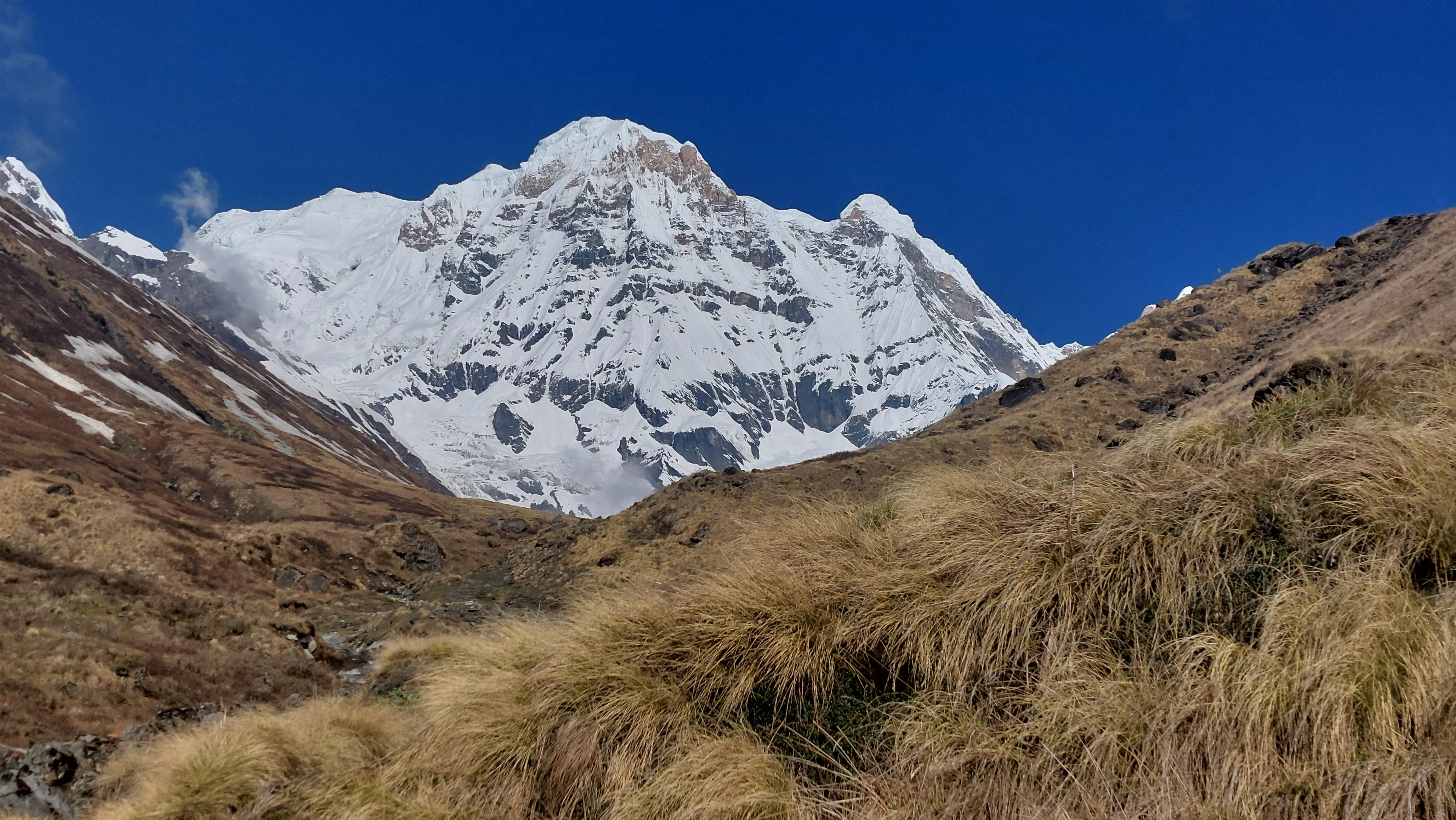
Annapurna Base Camp (ABC) is a fantastic dream destination! Located in the heart of the Himalayas in Nepal, it's renowned for its breathtaking scenery and challenging yet rewarding trekking experience. Here are some highlights and details about Annapurna Base Camp:

Stunning Scenery

  • Panoramic Views: ABC offers stunning panoramic views of some of the highest peaks in the world, including Annapurna I (8,091 meters), Machapuchare (6,993 meters), and other peaks of the Annapurna Massif.
  • Diverse Landscapes: The trek to ABC takes you through diverse landscapes, from lush subtropical forests and terraced fields to alpine meadows and glacial moraines.

Trekking Experience

  • Moderate Difficulty: The trek is considered moderately difficult, making it accessible to a wide range of trekkers. It usually takes about 7-12 days depending on the chosen route and pace.
  • Tea houses: Along the route, there are numerous tea houses offering basic accommodation and meals, allowing trekkers to rest and refuel.


Cultural Immersion

  • Local Villages: The trek passes through several traditional Gurung and Magar villages, where trekkers can experience local culture, hospitality, and cuisine.
  • Cultural Sites: The region is rich in cultural heritage with various temples, stupas, and prayer flags adding to the spiritual experience of the journey.


Natural Hot Springs

  • Jhinu Danda: Many trekkers enjoy a relaxing dip in the natural hot springs at Jhinu Danda, a perfect way to soothe tired muscles after days of trekking.
  • Flora and Fauna
  • Rich Biodiversity: The Annapurna region is part of the Annapurna Conservation Area, home to a wide variety of flora and fauna, including rhododendron forests, orchids, and wildlife like langur monkeys and Himalayan tahr.


Tips for Your Trek

  • Best Time to Visit: The best times to trek to ABC are during the per-monsoon (March to May) and post-monsoon (September to November) seasons. These periods offer the best weather and visibility.
  • Permits: Trekkers need to obtain the Annapurna Conservation Area Permit (ACAP) and the Trekkers' Information Management System (TIMS) card.
  • Preparation: Proper physical preparation is essential. It’s also important to pack adequately, including layers of clothing, good trekking boots, and necessary gear.


Personal Highlights

  • Sunrise Views: Catching the sunrise over the Annapurna range from ABC is a surreal experience, with the peaks turning golden in the morning light.
  • Community Experience: Sharing stories with fellow trekkers and locals in the tea houses can be a highlight, adding a social element to the adventure.

 Getting There

  • Access Point: The trek typically starts from Nayapul, which is accessible from Pokhara, a beautiful lakeside city. Pokhara itself is worth exploring for its scenic beauty and vibrant atmosphere.
  • Transportation: From Kathmandu, you can fly or take a bus to Pokhara. From Pokhara, local transportation options like taxis or buses will take you to the starting point of the trek.

Annapurna Base Camp offers a unique combination of natural beauty, cultural richness, and adventure, making it a dream destination for many trekking enthusiasts. If you have any specific questions or need more detailed information, feel free to ask!


Sherpa Guides and Porter Services: Essential Support for Treks in the Himalayas


Sherpa Guides and Porter Services: Essential Support for Treks in the Himalayas

Sherpa guides and porter services play an integral role in ensuring the success and safety of trekking and mountaineering expeditions in Nepal's Himalayas. Renowned for their expertise in navigating the rugged mountain terrain, Sherpas provide invaluable assistance for trekkers and climbers tackling some of the world's highest peaks.

The Role of Sherpa Guides in the Himalayas

Sherpas, native to the mountainous regions of Nepal, are not only known for their physical endurance but also for their deep knowledge of the Himalayas. As experienced mountaineers, Sherpa guides assist trekkers in planning and executing their journeys. They are equipped to handle the challenges posed by the unpredictable mountain environment, offering expert guidance on route selection, acclimatization, and overall safety. For many trekkers, a Sherpa guide is essential for both navigation and ensuring a positive trekking experience.

Sherpa Porters: The Backbone of Expeditions

Sherpa porters are essential in carrying heavy trekking and climbing equipment, supplies, and food, allowing trekkers and climbers to focus on their journey. Due to the rugged nature of the terrain, the physical demands of carrying heavy loads at high altitudes can be daunting. Hiring a Sherpa porter ensures a more comfortable trek by reducing the risk of physical strain, fatigue, and altitude sickness. Their hard work and strength are indispensable to the success of every expedition, especially in remote and challenging regions like the Everest and Annapurna regions.

Ethical Practices in Hiring Sherpas

While Sherpas play a vital role in the success of Himalayan treks, it is crucial to ensure they are treated with fairness and respect. Many Sherpas depend on tourism-related activities for their livelihood. Ethical trekking companies prioritize the safety, fair wages, and well-being of their Sherpa guides and porters. When selecting a trekking agency, it is important to choose one that is committed to ensuring Sherpas are properly equipped, compensated, and cared for throughout their service.

Sustainable Tourism and Environmental Considerations

Responsible trekking is key to preserving the fragile ecosystems of the Himalayas. Choosing an environmentally conscious trekking company ensures minimal impact on the region’s natural environment. These companies actively support sustainable tourism, which helps preserve the Himalayan landscape and supports the local communities who rely on it for their livelihood.

Costs of Hiring Sherpa Guides and Porters

The cost of hiring a Sherpa guide or porter varies depending on the role and experience level. Here are some typical costs for hiring Sherpas in Nepal:

  • Sherpa Guide: $40.00 per day
  • Sherpa Guide cum Porter: $35.00 per day
  • Sherpa Porter: $30.00 per day
  • Sherpa Peak Climbing Guide (Mountain Guide): $350 bonus per peak climbed

Additionally, travelers should account for the following costs when preparing for their trek:

  • Round-trip flight from Kathmandu to Lukla: $400 per person
  • Blue TIMS Card: $20 per person
  • Khumbu Pasang Lhamu Rural Municipality Permit: $30 per person
  • Sagarmatha National Park Permit: $30 per person

Final Thoughts: The Importance of Responsible Trekking

Sherpas are the unsung heroes of Himalayan expeditions, providing essential services that allow trekkers to focus on their journey. By treating Sherpas with respect, supporting ethical trekking practices, and choosing environmentally responsible companies, trekkers contribute to the well-being of local communities while ensuring a safe and fulfilling adventure in the Himalayas.


Sunday, March 17, 2024

Flight from Kathmandu to Lukla


In the year 2024, the price for a one-way flight from Kathmandu to Lukla varies for foreigners and Indian nationals. Foreigners can expect to pay a minimum of USD 215, while Indian nationals will be charged INR 11,300 per person for the same journey. Each passenger is allowed to carry 10 kg of baggage and 5 kg of hand carry on the flight. However, if passengers wish to bring additional baggage, they can do so by paying an extra fee.

Saturday, July 22, 2023

About Nepal Trekking

About Nepal, known for its stunning landscapes, rich cultural heritage, and friendly locals, is a popular destination for travelers seeking adventure, spirituality, and breathtaking scenery. If you're planning a trip to Nepal, here's a guide to help you make the most of your visit:


Visa and Entry Requirements:

Check the visa requirements for your country before traveling to Nepal. Most nationalities can obtain a visa on arrival at the Tribhuvan International Airport in Kathmandu or at the border entry points.


Best Time to Visit:

The best time to visit Nepal is during the spring (March to May) and autumn (September to November) seasons when the weather is relatively stable and pleasant for trekking and sightseeing. The monsoon season (June to August) brings heavy rains and is not ideal for outdoor activities.


Top Destinations:


Kathmandu: The capital city, known for its ancient temples, palaces, and vibrant markets.

Pokhara: A scenic city located near Annapurna and other trekking routes. It's also home to Phewa Lake and Sarangkot viewpoint.

Chitwan National Park: Famous for its wildlife, including endangered species like one-horned rhinos and Bengal tigers.

Lumbini: The birthplace of Lord Buddha and an important pilgrimage site for Buddhists.

Trekking and Hiking:

Nepal is a trekker's paradise with a range of trekking options suitable for all experience levels. The most popular treks include:


Everest Base Camp Trek

Annapurna Circuit Trek

Langtang Valley Trek

Ghorepani Poon Hill Trek

Ensure you're physically prepared and choose a trek that matches your fitness and experience level.


Cultural Etiquette:

Nepali culture is deeply rooted in traditions and customs. When visiting temples and religious sites, dress modestly and remove your shoes before entering. It's polite to ask for permission before taking photos of local people.


Safety and Health:


Purchase travel insurance that covers medical emergencies and evacuation, especially if you plan to trek in remote areas.

Stay hydrated and avoid drinking untreated water. Always carry a water bottle and use water purification tablets or a filtration system.

Be cautious of the altitude while trekking. Acclimatize properly to avoid altitude sickness.

Check with your doctor about necessary vaccinations before traveling.

Transportation:

Public transportation in Nepal can be basic and time-consuming. Domestic flights, especially for reaching remote areas, are a popular option. Buses and microbuses connect major cities and towns.


Currency:

The currency of Nepal is the Nepalese Rupee (NPR). ATMs are available in major cities, but it's advisable to carry some cash, especially while trekking.


Language:

Nepali is the official language, but English is widely spoken, especially in tourist areas.


Responsible Tourism:

Respect the environment and local culture during your visit. Minimize your waste, support local businesses, and be mindful of the impact of your actions on the communities you visit.


Remember that this guide provides general information, and it's always good to conduct further research and plan your trip based on your interests and preferences. Enjoy your time in Nepal!


Everest Base Camp Trek: Complete Guide by an Experienced Local Mountain Sherpa Guide

Everest Base Camp Trek: A Complete Guide from an Experienced Local Mountain Sherpa  Guide The Everest Base Camp Trek is more than a hi ke to...